A Travel Mug is a reusable drinking container designed for movement. It helps carry coffee, tea, water, or other beverages with less spilling. Unlike an ordinary cup, it usually includes a fitted lid, a drinking opening, and a sealing gasket. Some models use double-wall vacuum insulation to slow heat transfer. Others rely on simple plastic or stainless-steel walls. The difference is noticeable in your hand. A well-insulated mug may keep coffee warm while its outside remains comfortable to hold.
Its basic operation is simple. The lid limits liquid movement, while the gasket reduces leakage around the rim. When you open the sliding cover, liquid flows through a controlled opening. Vacuum insulation works by reducing the air between two walls. Less air means less heat can travel through the container. Still, no Travel Mug keeps a drink hot forever. Temperature, lid design, filling level, and opening frequency all matter. I have found that a mug can perform well at a desk but fail inside a moving bag. That weakness deserves attention. A secure seal is not always the same as a leakproof seal.
This guide explains the main parts, insulation methods, and everyday limitations of Travel Mug design. It also considers cleaning, handling, and material choices. Reliable manufacturers provide care instructions and temperature guidance, but users should read them carefully. Small details matter. A loose lid, worn gasket, or overfilled cup can change the experience quickly. Understanding how the mug works makes it easier to choose one that suits commuting, driving, travel, or quiet mornings at home.
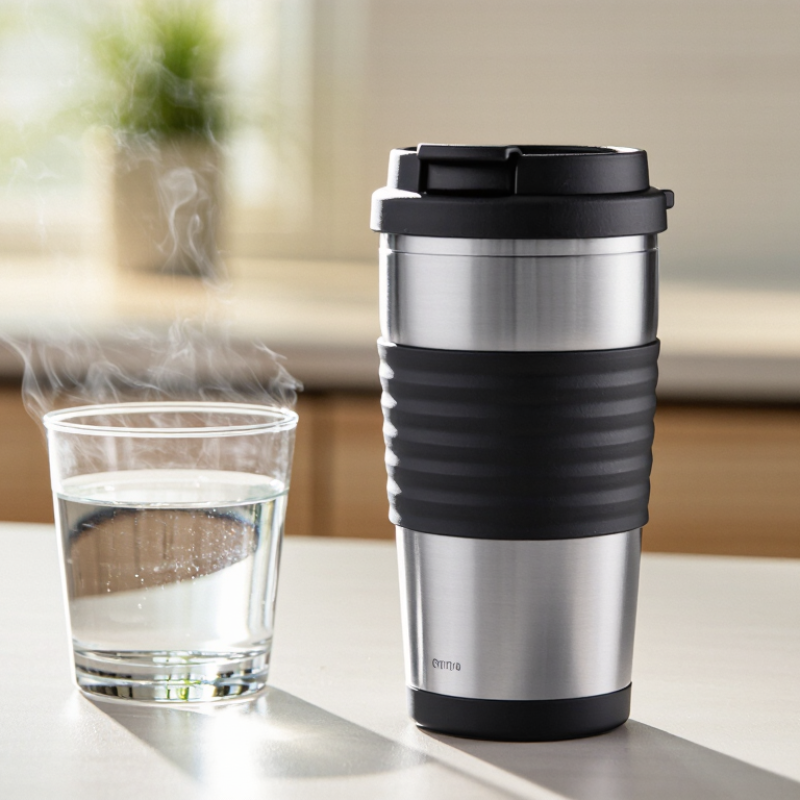
A travel mug is a reusable cup designed to carry hot or cold drinks while moving. It usually has a body, a drinking lid, and a sealing gasket. Many models use double-wall insulation. Some create a vacuum between the walls, slowing heat transfer through air. The lid controls spills, but it does not always make the mug leakproof. That difference matters in a crowded train or inside a work bag. According to the National Coffee Association’s Spring 2024 National Coffee Data Trends report, 67% of American adults drank coffee on the previous day. For many people, a travel mug is part of that daily routine, not a novelty item.
In practical use, the mug keeps a drink warmer by limiting conduction, convection, and air movement. Stainless steel generally resists odors and dents, while plastic models can weigh less. Ceramic interiors may preserve a familiar cup feel, but they can break more easily. A secure lid needs a clean gasket and a properly aligned drinking opening. Even then, no seal is perfect forever. I have found that a mug can look clean while retaining coffee oils around the lid.
Tips: Preheat the mug with hot water for several minutes. Do not fill it to the rim. Leave space for pressure and movement. Check the lid before placing it near electronics. Wash the gasket separately, because hidden residue can affect taste and hygiene. The U.S. Food and Drug Administration advises using food-contact materials as intended; very hot liquids also require careful handling.
| Data Dimension | Typical Information | How It Works or Why It Matters |
|---|---|---|
| Definition | A reusable drinking container designed for carrying beverages while traveling or commuting. | Its compact shape, lid, and spill-resistant design make it suitable for vehicles, offices, schools, and outdoor activities. |
| Main Purpose | To transport hot or cold drinks more conveniently and reduce the need for disposable cups. | The mug allows users to drink gradually while keeping the beverage contained during movement. |
| Common Capacity | Approximately 240–590 milliliters, or 8–20 fluid ounces. | Smaller sizes are easier to carry, while larger sizes hold more coffee, tea, water, or other beverages. |
| Typical Materials | Stainless steel, plastic, glass, silicone, or combinations of these materials. | Stainless steel is durable and commonly used for insulated bodies; plastic and silicone help reduce weight; glass does not retain flavors but can be more fragile. |
| Insulated Construction | Single-wall or double-wall construction; some double-wall mugs use a vacuum between the walls. | The air gap or vacuum reduces heat transfer through conduction and convection, helping hot drinks stay warm and cold drinks stay cool for longer. |
| Heat Retention | Performance varies by construction, lid design, fill level, starting temperature, and surrounding temperature. | Double-wall vacuum insulation generally retains beverage temperature more effectively than single-wall construction, but no mug keeps a drink at its original temperature indefinitely. |
| Lid Mechanism | Common designs include sliding covers, flip lids, push-button lids, and screw-top lids. | The lid limits splashing and helps reduce heat loss. A closed drinking opening also provides additional protection against accidental spills. |
| Leak Resistance | Leak-resistant and leakproof are different levels of protection. | A leak-resistant lid may reduce spills when upright, while a properly sealed leakproof design is intended to prevent liquid from escaping when carried according to its instructions. |
| Drinking Method | Most travel mugs allow drinking directly through an opening in the lid. | Some models also accept a straw or have a wide opening for easier filling and cleaning. The drinking opening should be kept closed when the mug is not in use. |
| Temperature Safety | Insulated walls can keep beverages hot enough to cause burns for an extended period. | Users should open the lid carefully, test the temperature before drinking, and follow any hot-liquid warnings supplied with the mug. |
| Vehicle Compatibility | Many travel mugs are shaped to fit standard vehicle cup holders, but dimensions vary. | Checking the mug's base diameter against the cup holder is important because a wide or tapered base may not fit securely. |
| Cleaning Requirements | The body, lid, seal, and drinking opening should be cleaned regularly. | Removable seals and lid components can collect beverage residue. Thorough rinsing and drying help reduce odors, staining, and microbial growth. |
| Dishwasher Use | Dishwasher suitability depends on the material and the manufacturer's care instructions. | Some parts may be dishwasher-safe while others may require hand washing. Heat and detergents can damage certain finishes, seals, or insulation components. |
| Best-Suited Beverages | Coffee, tea, water, hot chocolate, juice, and other compatible beverages. | Very acidic, carbonated, or dairy-based drinks may require extra cleaning and may not be suitable for prolonged storage in every mug. |
| Typical Advantages | Portability, temperature control, spill reduction, and reusability. | A travel mug can make commuting easier and may reduce consumption of single-use beverage containers when used repeatedly. |
| Typical Limitations | Possible leakage, difficult-to-clean lids, retained odors, and varying insulation performance. | Careful selection, regular cleaning, correct lid closure, and proper use are necessary for safe and reliable performance. |
Travel mug performance depends on its materials, construction, lid seal, beverage temperature, usage conditions, and cleaning routine.
Double walls create a barrier around the drink. A vacuum reduces conduction and convection. Heat moves more slowly.
A tight seal reduces spills and limits warm air movement. A sliding cover controls the drinking flow. Small details matter.
No. It slows cooling but cannot stop it. Heat retention changes with volume, starting temperature, and lid openings. My earlier assumption was wrong.
Steam may increase pressure inside the container. A vent helps balance that pressure. Without one, opening the lid can release liquid suddenly.
Yes. Rinsing the mug with warm water can reduce early heat loss. Emptying that water before filling may help. It is useful, not miraculous.
Stainless steel resists impacts, odors, and corrosion. Polypropylene is lighter. Glass keeps flavors neutral but needs protective housing.
Insulation slows outside heat from entering. A cold drink may stay cooler longer, especially with the lid closed. The effect is limited.
A fuller mug contains less air, which may reduce temperature change. However, it can increase spill risk during movement. That trade-off is easy to miss.
No. A poor seal can weaken an excellent insulated body. Real performance may differ during a cold commute or with a half-filled mug.
A Travel Mug is a reusable container designed to carry hot or cold drinks while reducing spills and helping maintain temperature. It usually works through a secure lid, an insulated body, and a drinking opening that controls the flow of liquid. Some lids include a sliding cover or seal to improve portability, while the double-wall structure limits heat transfer between the drink and the outside environment.
The main parts of a Travel Mug include the cup body, lid, sealing ring, drinking opening, and sometimes a handle or grip. Common materials include stainless steel, plastic, glass, and silicone, with insulation provided by double walls, trapped air, or a vacuum layer. For safe and effective use, fill the mug without overloading it, close the lid firmly, and test for leaks before carrying it. Regular cleaning, careful removal of seals, and thorough drying help prevent odors, stains, and buildup. Always check whether the mug is suitable for hot liquids and dishwasher cleaning.

 Dongyi