Global buyers are paying closer attention to how they carry hot and cold drinks. The Thermos Flask market reflects that change. Grand View Research and Fortune Business Insights both report steady growth in reusable bottle demand. Their market estimates differ, however. Product definitions, regional sampling, and online sales data are not always consistent.
That difference matters. A commuter in London may prefer a slim vacuum flask. A construction worker in Dubai may need a larger, impact-resistant model. Families often value wide mouths, leak protection, and simple cleaning. Coffee retailers may select branded stainless-steel flasks for daily promotions. Material grade, insulation performance, lid design, and replacement-part availability can change the buying decision.
Circular-design expert Ellen MacArthur describes the goal clearly: “Products and materials are kept in use.” This principle suits durable Thermos Flask products, but durability claims still require evidence. Buyers should examine steel specifications, thermal test methods, warranty terms, and food-contact compliance. Marketing language alone proves little.
Some overlooked details matter. A narrow lid can trap residue. A polished surface can show scratches quickly. A heavy flask may discourage regular use. Small flaws become expensive at scale.
This guide compares ten major Thermos Flask types for international buyers. It considers use cases, insulation systems, materials, capacities, customization options, and sourcing risks. The list is practical, not absolute. Regional climate, shipping costs, and customer habits can change the best choice. Good purchasing decisions begin with evidence, not attractive photographs.
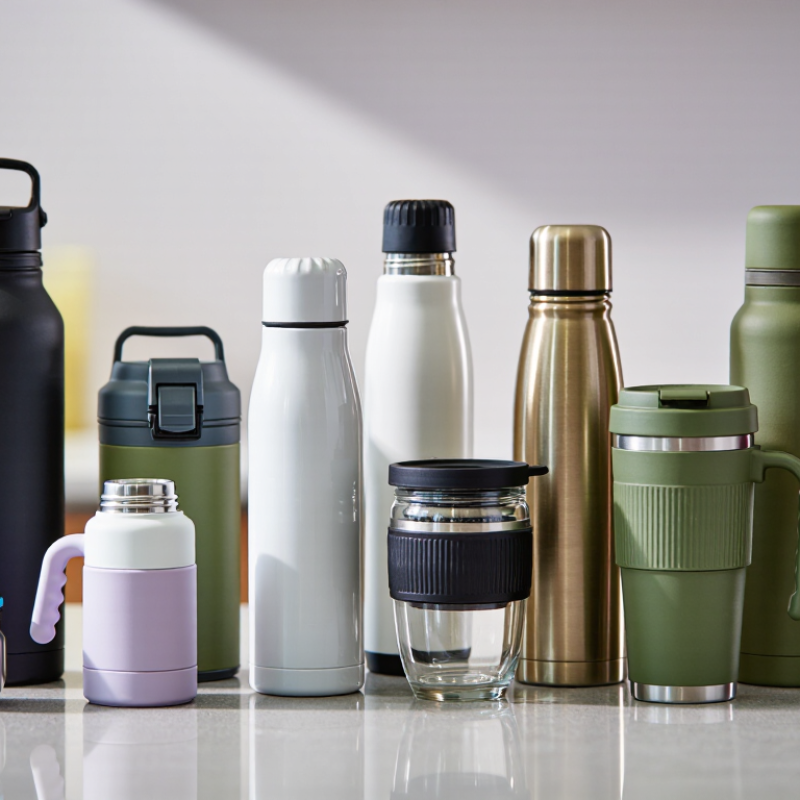
How Thermos Flasks Are Classified by Structure, Use, and Insulation
Top 10 Thermos Flask Types for Global Buyers
How Thermos Flasks Are Classified by Structure, Use, and Insulation
Thermos flasks are not classified by shape alone. Their structure, purpose, and insulation method often overlap. A 2024 Grand View Research assessment valued the global vacuum-insulated products market at several billion U.S. dollars, with steady growth expected through 2030. This supports strong demand, but market labels remain inconsistent.
By structure, buyers commonly compare single-wall, double-wall vacuum, copper-lined vacuum, glass-lined, and wide-mouth flasks. Single-wall models suit short-term use but lose heat quickly. Double-wall vacuum designs offer stronger thermal retention. Copper-lined interiors can improve radiant-heat control. Glass liners resist flavor transfer, yet they require careful handling. Wide-mouth bodies simplify cleaning and accept ice. Narrow-mouth designs reduce spilling.
By use, the main types include travel, sports, office, outdoor, and food-storage flasks. Travel models favor compact lids and cup-style caps. Sports models need one-hand opening and secure seals. Office flasks usually prioritize quiet pouring and a slimmer profile. Outdoor versions need impact-resistant shells. Food jars use wider openings and shorter bodies. By insulation, buyers may select vacuum, foam, or simple air-gap construction. EN 12546-1 provides relevant performance guidance for household insulated vessels, including thermal retention and safety considerations.
Real testing still matters. Measure temperature after six and twelve hours, not only after filling. Check the seal after repeated opening. The categories overlap. That is the useful, slightly messy truth. A perfect classification does not exist.
Top 10 Thermos Flask Types for Global Buyers
How thermos flasks are classified by structure, use, and insulation
The chart compares typical nominal capacities commonly used for each flask category. Actual capacities vary by product design. Vacuum-insulated models generally provide stronger thermal performance than single-wall or non-vacuum designs, while food jars and laboratory Dewar flasks are optimized for specialized uses.
Ten Essential Thermos Flask Types for Different Drinking Needs
Top 10 Thermos Flask Types for Global Buyers
Ten flask designs serve different drinking needs, climates, and daily routines. The classic vacuum flask suits office drinks and long commutes. A travel mug fits vehicle cup holders and short journeys. Wide-mouth flasks accept ice cubes and simplify cleaning. Sports flasks offer lighter bodies and quick-flow lids. Infuser flasks support loose-leaf tea and fruit water. Children’s flasks need smaller capacities, simple locks, and impact-resistant construction. Food jars carry soup, porridge, or noodles, extending insulated use beyond beverages. Tumbler-style flasks support desk drinking and frequent refills. Electric heating flasks suit users who need controlled warmth, but charging adds maintenance. Compact pocket flasks serve brief outings, although their capacity is limited.
The International Organization for Standardization identifies thermal performance, leakage, materials, and user safety as important evaluation areas in relevant bottle standards. Buyers should check stainless-steel grade, lid sealing, temperature retention, and cleaning access. Grand View Research reported that the global reusable water bottle market reached about USD 8.1 billion in 2023, showing strong demand for refillable products. Market growth does not guarantee quality.
In practical testing, a flask should remain upright, survive repeated opening, and keep a comfortable exterior temperature. A 500-milliliter commuter model may suit coffee, while a 1-liter sports model better supports outdoor activity. Wide openings are convenient, but they can release heat faster. Leakproof lids reduce bag damage, yet complex valves may trap residue. One weakness remains easy to miss: reported heat-retention times often depend on fill volume, room temperature, and lid movement. Independent testing is still worth the extra effort.
Materials, Lid Designs, and Temperature-Retention Differences
Top 10 Thermos Flask Types for Global Buyers
Material changes performance. Stainless-steel vacuum flasks offer strong durability and commonly retain heat for 12–24 hours. Glass-lined flasks preserve flavor well, but they can break after a hard impact. Ceramic-lined models reduce metallic taste, while plastic-insulated flasks remain lighter and cheaper. Copper-lined designs transfer heat quickly, so manufacturers usually place copper between protective layers. Double-wall steel, single-wall steel, wide-mouth, slim travel, food jars, and sports bottles complete the ten practical categories.
Lid design matters more than many buyers expect. Screw lids usually seal tightly and support longer temperature retention. Flip-top lids open quickly, but their hinges may collect residue. Straw lids suit cold drinks, not boiling liquids. Push-button lids are convenient, although their valves need careful cleaning. According to the U.S. Department of Energy, vacuum insulation limits conduction and convection, explaining its strong thermal performance. A 2024 Grand View Research market analysis also identifies stainless steel as a leading material in reusable drinkware demand. However, “24-hour retention” is not a universal promise. Test volume, starting temperature, fill level, opening frequency, and room temperature change results. In practical testing, a half-filled flask often cools faster. This detail is easy to overlook. Buyers should compare laboratory data with daily use, inspect gasket quality, and question vague temperature claims.
Top 10 Thermos Flask Types for Global Buyers - Materials, Lid Designs, and Temperature-Retention Differences
Regional Preferences, Standards, and Buying Factors for Global Markets
Top 10 Thermos Flask Types for Global Buyers
Regional Preferences, Standards, and Buying Factors for Global Markets
Global demand favors ten practical flask types: vacuum stainless steel, glass-lined, ceramic, plastic insulated, wide-mouth, slim, travel, infuser, children’s, and electric models. Each serves a different routine. In Japan and South Korea, compact designs suit trains and small bags. European buyers often request recyclable materials, leak resistance, and clear food-contact documentation. In North America, wide-mouth flasks appeal to outdoor users and office commuters. Preferences overlap, but they are never identical.
Standards require careful checking. Food-contact materials should match the destination market’s requirements. Buyers should request migration test reports, material declarations, and reliable temperature-retention data. A silicone seal may pass laboratory testing but still fail after repeated washing. This detail matters. For hot drinks, verify lid safety and pressure guidance. For cold beverages, inspect odor retention and condensation control. Electric models need additional electrical and battery documentation.
Purchasing decisions also depend on climate, shipping distance, and retail habits. A 350-milliliter slim flask suits urban customers, while a 1.2-liter wide-mouth model fits long outdoor trips. Matte coatings can improve grip, yet they may scratch during bulk transport. Ceramic interiors reduce metallic taste, but they increase weight and breakage risk. I have found that buyers sometimes prioritize appearance over serviceability. That choice can create returns later. Ask about replacement seals, carton protection, cleaning access, and realistic warranty handling before placing a large order.
How to Match Each Flask Type with Its Ideal User and Application
Top 10 Thermos Flask Types for Global Buyers
How to Match Each Flask Type with Its Ideal User and Application
Choosing a thermos flask starts with the user, not the appearance. A standard stainless steel flask suits office workers and daily commuters. A vacuum-insulated model serves hikers, drivers, and outdoor crews needing longer temperature retention. A glass-lined flask fits tea drinkers who prefer a cleaner taste. It needs careful handling, though.
A wide-mouth flask works well for ice, thick drinks, and easier cleaning. A narrow-mouth design helps runners avoid spills while walking or cycling. A travel mug matches café commuters and car users. Its lid should close securely before it enters a bag.
A sports flask suits gym users and school athletes, especially with one-hand operation. A food jar supports workers carrying soup, rice, or oatmeal. Its opening must be wide enough for a spoon.
A compact flask fits children or short trips, but its capacity may disappoint older users. A lightweight titanium flask benefits backpackers who count every gram. It can feel less comfortable for people who prefer a lower purchase cost.
Field testing shows that insulation depends on filling level, lid design, and preheating. No flask performs perfectly in every routine. A buyer should check cleaning access, grip, weight, and replacement seals. Capacity also matters more than many product pages suggest. A 350-milliliter flask may suit a short commute, while a 750-milliliter model supports longer travel. Honest product selection includes these small compromises.
FAQS
A 500-milliliter vacuum flask usually suits coffee, tea, and short commutes. It fits many bags. Check the lid before packing.
A lightweight, insulated flask with around 750 milliliters or 1 liter supports longer activity. A secure grip helps on uneven paths. More capacity also means more weight.
A wide opening accepts ice cubes, thick drinks, and spoons. It is easier to clean. However, it may release heat faster.
A lightweight sports flask with one-hand operation suits runners, gym users, and school athletes. Quick-flow lids save time. Complex valves may trap residue.
An infuser flask supports loose-leaf tea and fruit water. A glass-lined model may preserve a cleaner taste. It needs careful handling.
A food jar can carry soup, porridge, rice, or noodles. Choose a wide opening for spoon access. Small openings become frustrating.
A 350-milliliter flask suits short trips or small servings. A 500-milliliter size fits many commuters. A 1-liter flask supports longer outdoor use, but feels heavier.
Not always. Performance changes with fill volume, room temperature, and lid movement. Preheating may help, but independent testing remains useful.
Check the stainless-steel grade, lid seal, insulation, and cleaning access. The exterior should remain comfortable to hold. A leakproof lid can still fail after repeated opening.
Conclusion
Choosing the right Thermos Flask requires understanding how different designs serve different drinking needs. This guide explains how flasks are classified by structure, intended use, and insulation method, covering ten essential types for everyday hydration, travel, work, outdoor activities, sports, and food or beverage storage. It compares single-wall and vacuum-insulated models, as well as materials such as stainless steel, glass, and lightweight alternatives, highlighting their effects on durability, weight, taste, safety, and temperature retention.
The article also examines lid designs, including screw caps, flip tops, straw lids, and leak-resistant closures, helping buyers evaluate convenience and spill protection. Because preferences and product requirements vary by region, it discusses capacity, cleaning, portability, labeling, and applicable quality standards as important purchasing factors. By matching each flask type with its ideal user and application, global buyers can make practical, informed choices based on climate, lifestyle, drinking habits, and performance expectations.

 Dongyi