A Gym Bottle is more than a container beside your training towel. It is the bottle you reach for between sets, during a run, or after a demanding class. The right choice should feel practical in your hand, not impressive only on a store shelf. I have found that grip, opening size, and leak resistance matter most during real workouts. A slippery bottle can fall beside a treadmill. A narrow opening can make cleaning frustrating. Small details become important.
Material deserves careful attention. Stainless steel can keep water cool, while lightweight plastic may suit commuting and daily carrying. Choose a product clearly labeled for food contact, and check whether it is BPA-free. Avoid assuming every reusable bottle is equally safe or durable. Look for a secure lid, replaceable seals, and care instructions from the manufacturer. A wide mouth can simplify washing, but it may spill if the cap is poorly designed. That trade-off is easy to overlook. Capacity should match your routine, hydration needs, and bag space. A large bottle may reduce refills, yet it can feel heavy during movement. A smaller bottle may be easier to carry, but it might require frequent refilling.
Cleaning habits also shape the best choice. Wash the bottle after use, especially when it holds flavored drinks or electrolyte mixtures. Dry the lid and gasket completely. Odor often hides there. Reliable guidance comes from product specifications, material information, and honest user experience rather than attractive advertising alone. This guide explains what a Gym Bottle should offer and how to compare choices with practical judgment. There is no perfect model. The best option is the one you will actually clean, carry, and use consistently.
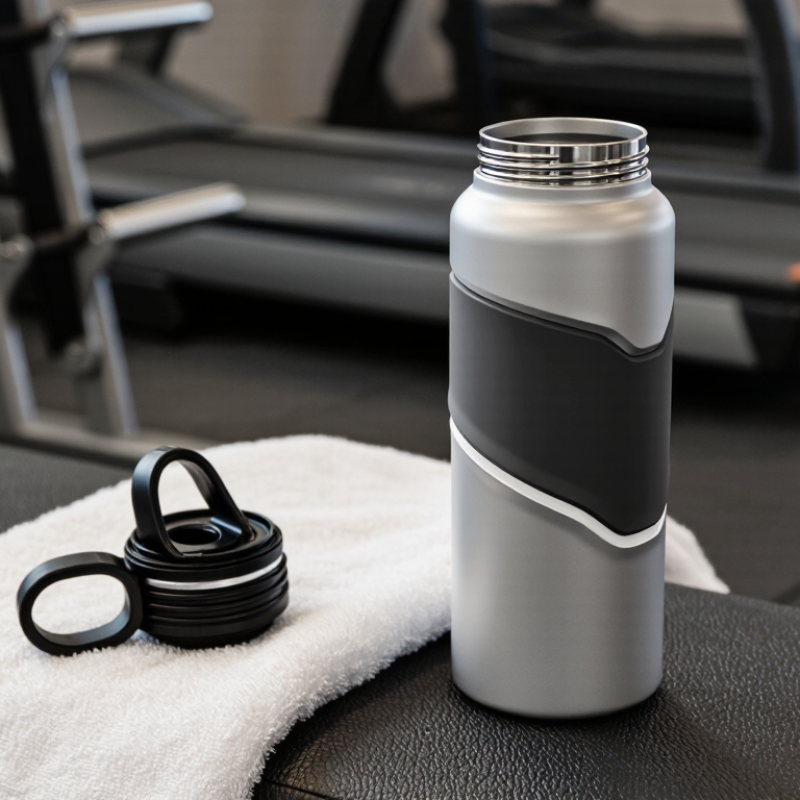
A gym bottle is a reusable container designed to carry fluids during training, commuting, or recovery. Its main purpose is simple: keep water close, clean, and easy to drink while your hands stay busy. A bottle also helps measure intake. A 750-millilitre bottle, for example, makes two refills visible during a workout.
The American College of Sports Medicine recommends roughly 0.4–0.8 litres of fluid per hour during exercise, adjusted for sweat rate, heat, and body size. That range is not a universal rule. I once carried a large bottle everywhere and rarely finished it. The extra weight became annoying, not helpful. Choose a capacity that matches your session length. A 500–750-millilitre bottle suits many indoor workouts, while longer outdoor sessions may need more volume. The National Academies lists total daily water intake at about 3.7 litres for men and 2.7 litres for women, including water from food and other drinks.
A practical gym bottle should have a secure lid, a comfortable mouthpiece, and clear volume markings. Wide openings make cleaning easier, especially after protein drinks or sweetened beverages. Stainless steel can retain temperature, while lightweight plastic is easier to carry. Check that the material is food-safe and the lid seals firmly.
Small leaks matter. They can soak gym bags, towels, and electronics. Hand washing is often overlooked, and that is where my own routine fails sometimes. A quick rinse is not real cleaning.
A functional gym bottle is more than a container for water. During a busy workout, it should open quickly, prevent leaks, and feel secure in one hand. I test bottles by carrying them in a gym bag, placing them beside a bench, and using them between sets. A wide mouth makes filling and cleaning easier. A narrow opening may reduce spills during movement. Neither design is perfect. Your routine decides the better fit.
Material affects daily comfort and long-term reliability. Food-grade stainless steel resists odors and can keep drinks cool, although it may feel heavy. Durable plastic is lighter and easier to carry, but scratches can collect residue when cleaning is neglected. Look for a secure lid, a dependable seal, and parts that separate without special tools. A textured grip helps sweaty hands. Small details matter.
Capacity should match your training time, not a general fitness rule. A short session may need 500 to 750 milliliters. Longer outdoor exercise may require more. Check the bottle’s weight when full. It can change how you move. Clear volume markings make hydration easier to track, though they may fade after repeated washing. Clean the bottle after each use, especially around the cap and gasket. Some bottles promise convenience but hide difficult seams. Inspect those areas before buying.
A gym bottle is a reusable container designed for hydration during training, commuting, or outdoor exercise. Its best type depends on your routine, not appearance. Lightweight plastic bottles are practical for running and busy gym sessions. They resist breaking, but they can hold odors if cleaning is delayed. Stainless steel bottles feel durable and often keep water cold for hours. They may feel heavy in a workout bag. Glass provides a clean taste and is easy to inspect, although it needs protective covering because accidents happen.
Shaker bottles usually include a mixing ball or internal grid. They work well for powdered drinks and thicker mixtures, but their lids need careful cleaning. Insulated bottles have double walls, which reduce temperature changes and exterior condensation. Collapsible silicone bottles save space during travel, though they can be less stable on a bench. Wide-mouth designs are easier to fill with ice and scrub, while narrow openings are more comfortable for sipping during movement. My own preference changes with the session. Convenience sometimes beats durability.
Tips: Check the lid seal before packing the bottle beside electronics. Choose a grip that feels secure with sweaty hands. Wash removable parts after every use, especially around threads and valves. Avoid leaving sweet drinks inside overnight. A simple water test can reveal leaks before training. Also, check capacity realistically; a large bottle is useful, but carrying it through a long workout can become annoying.
| Bottle Type | Typical Capacity | Typical Empty Weight | Insulation | Main Advantages | Common Limitations | Best Use | Care Considerations |
|---|---|---|---|---|---|---|---|
| Reusable Plastic Bottle | 500–1,000 ml (17–34 fl oz) |
80–200 g | Usually none | Lightweight, affordable, available in many shapes, and generally resistant to impact. | Can retain odors or become scratched; does not keep drinks cold for long. | Everyday gym sessions, cardio, and group fitness classes. | Check the care label; replace if heavily scratched, cracked, or cloudy. Use only products labeled for food contact. |
| Stainless-Steel Bottle | 500–1,000 ml (17–34 fl oz) |
200–350 g single-wall |
Low to high, depending on construction | Durable, odor-resistant, and suitable for regular long-term use. | Heavier than plastic; some designs may dent and single-wall versions can sweat. | Strength training, commuting, hiking, and frequent daily use. | Hand-washing may help protect finishes and seals; avoid storing acidic drinks for extended periods unless permitted by the manufacturer. |
| Double-Wall Insulated Bottle | 500–1,200 ml (17–41 fl oz) |
300–550 g | High; often keeps cold drinks chilled for many hours | Controls drink temperature, reduces condensation, and is usually made with durable steel. | Bulkier and heavier; generally not suitable for hot beverages unless the lid is designed for them. | Long workouts, outdoor training, hot-weather exercise, and travel. | Clean the lid, gasket, and drinking opening thoroughly; allow all parts to dry fully to reduce odor and mold growth. |
| Glass Bottle | 400–800 ml (14–27 fl oz) |
300–600 g | Usually none; insulated sleeves may improve temperature retention | Does not readily retain flavors or odors and offers a clear view of the drink. | Heavier and breakable; requires a protective sleeve for active environments. | Low-impact workouts, studios, offices, and users who prefer a neutral-tasting container. | Inspect regularly for chips or cracks; follow dishwasher instructions and avoid sudden temperature changes. |
| Collapsible Silicone Bottle | 500–750 ml (17–25 fl oz) |
150–300 g | Usually none | Space-saving, flexible, lightweight, and convenient for storage after drinking. | May be less stable when partly filled and can be more difficult to dry completely. | Travel, outdoor activities, compact gym bags, and occasional workouts. | Turn inside out only if the design allows it; separate the cap and seal, wash thoroughly, and dry before folding. |
| Shaker Bottle | 500–900 ml (17–30 fl oz) |
150–300 g | Usually none | Mixing ball or internal grid helps blend protein powder and other powdered supplements. | More parts can trap residue; not every lid is completely leakproof or suitable for hot liquids. | Pre- or post-workout drinks and powdered beverage preparation. | Rinse immediately after use, remove the mixing insert, and clean the threads and drinking spout carefully. |
| Sports-Cap Bottle | 500–1,000 ml (17–34 fl oz) |
100–250 g | Usually none | Designed for quick one-handed drinking and may include a pull spout or bite valve. | Small valves and narrow openings can be harder to clean; accidental squeezing may cause spills. | Running, cycling, circuit training, and activities where stopping is inconvenient. | Disassemble the valve when possible and clean it after every use, especially after using flavored beverages. |
A gym bottle is more than a container for water. It supports hydration during lifting, running, cycling, or group classes. The right choice depends on your routine, not appearance alone. I have found that a bottle with a comfortable grip is easier to use between sets. Capacity matters too. A 500–750 millilitre bottle suits shorter workouts, while longer sessions may require more water. Your local heat and sweat level should influence that decision.
Check the material, lid, and cleaning design before buying. A wide opening makes it easier to add ice and scrub the inside. A secure cap helps prevent leaks inside a training bag. Some users prefer a soft spout for quick drinking, while others choose a wide-mouth lid. Odour can develop when bottles stay damp, even after rinsing. I sometimes underestimated this problem. Now, I dry the bottle completely and inspect the seal regularly. Dishwasher safety is useful, but manufacturer instructions still matter.
Tips: Match the bottle to your workout length and carrying habits. Test whether you can open it with one hand. Avoid choosing a heavy bottle that stays half full. Glass can feel clean, but it may be less practical for crowded gyms. Insulated designs keep water cooler, although they can add weight. Replace damaged lids or cracked containers promptly. A simple bottle is often best, but only when it fits your routine.
A gym bottle is more than a container for water. It travels through sweaty workouts, crowded bags, and changing rooms. I have found that a simple, easy-to-clean design is usually better than a complicated one. Choose a bottle that fits your hand and closes securely. A wide opening also makes washing and checking the inside much easier.
Rinse the bottle immediately after training. Use warm water, mild dish soap, and a clean bottle brush. Scrub the mouthpiece, threads, and corners where moisture hides. Remove the lid parts when possible. They need cleaning too. Let every piece air-dry separately, with the opening facing down. A damp, closed bottle can develop an unpleasant smell quickly. I once left one sealed overnight and regretted it.
Inspect the bottle regularly. Look for cracks, cloudy plastic, damaged seals, or a loose cap. These problems can cause leaks and make proper cleaning difficult. Do not use hot drinks unless the container is specifically designed for them. Heat may damage some materials or create pressure inside a sealed bottle. Avoid leaving it in a hot car, and do not share mouthpieces during exercise. If a strange odor remains after several washes, replace the bottle rather than hiding the smell. I sometimes clean equipment too quickly, so checking the lid before packing it has become a useful habit.
A gym bottle is a reusable container designed to carry water or other beverages during exercise. The right choice depends on capacity, material, leak resistance, ease of cleaning, and how often you use it.
Rinse the bottle after every use, wash it with warm water and dish soap at least once a day, and give the cap, mouthpiece, and seal a deeper clean once a week. Inspect the bottle monthly and replace it if it develops cracks, persistent odors, leaks, or damaged parts.
It carries water during training, commuting, or recovery. It keeps drinking convenient when your hands are busy. It can also show how much you drink.
A 500–750 millilitre bottle suits many indoor sessions. Longer outdoor workouts may need more water. Choose realistically. I once carried too much and regretted it.
Many people need roughly 0.4–0.8 litres per hour. Heat, body size, and sweat levels change that amount. It is guidance, not a universal rule.
Lightweight plastic is easy to carry and resists breaking. Stainless steel keeps water cool but can feel heavy. Glass offers a clean taste, but needs protective covering.
Choose a lid that seals firmly around the threads and mouthpiece. Test it with water before packing. Small leaks can soak towels and electronics.
A wide opening makes adding ice easier. It also helps you scrub the inside thoroughly. Narrow openings may feel better while sipping during movement.
Shaker bottles usually include a mixing ball or internal grid. They handle thicker mixtures well. Wash the lid, threads, and mixing parts after every use.
Rinse it soon after use, then wash removable parts carefully. Dry the bottle completely before closing it. A quick rinse is not enough. I sometimes forget.
Check the grip, capacity, lid seal, mouthpiece, and cleaning design. Try opening it with one hand. A simple bottle often works best.
A Gym Bottle is a reusable container designed to help people stay hydrated before, during, and after exercise. It is usually made for active use, with features such as a secure lid, easy-to-carry shape, leak-resistant design, and an opening that supports quick drinking. Some bottles have wide mouths for adding ice or mixing drinks, while others include straws or simple flip tops for convenient use during movement. The best choice depends on your workout style, preferred capacity, material, portability, and how easy the bottle is to handle.
To choose the right Gym Bottle, consider how much liquid you need, whether you exercise indoors or outdoors, and whether the bottle fits your bag or equipment holder. A durable, lightweight option may suit daily training, while a larger bottle can reduce the need for frequent refills. Regular cleaning is also important: empty the bottle after use, wash all parts with warm water and mild soap, and allow them to dry fully. Inspect the lid, seal, and surface regularly, and replace the bottle if it becomes damaged or difficult to clean.

Dongyi