Choosing the right Coffee Mug can quietly shape how customers remember your business. A café owner sees this every day. A sturdy mug feels dependable during a busy morning. A thin, poorly finished one can feel disappointing before the coffee is tasted.
This guide explains how to compare mugs through practical business needs, not attractive photos alone. Capacity matters because espresso, latte, and filter coffee require different serving sizes. Material affects heat retention, weight, durability, and cleaning performance. Ceramic offers a familiar café experience, while double-wall designs may protect hands and preserve warmth. Handle size matters too, especially for customers carrying mugs across crowded spaces. Check the rim, glaze, base, and overall balance before placing a large order. Small flaws become expensive when hundreds of units arrive.
Think about real working conditions. Will staff stack the mugs repeatedly? Will a commercial dishwasher clean them dozens of times daily? Can your logo remain clear after regular washing? Reliable suppliers should provide product specifications, sample testing, and food-contact safety information. Ask direct questions. Keep written records.
No checklist is perfect. Some businesses overvalue appearance and underestimate replacement costs. Others choose the cheapest option, then regret the decision after frequent breakage. Customer habits can also surprise you. A mug that looks elegant may feel awkward in one hand. Test several options with actual staff and customers before committing. Their feedback may challenge your first choice. The best Coffee Mug balances comfort, brand identity, operational efficiency, and long-term value. It should look good, work hard, and remain practical when business gets busy.
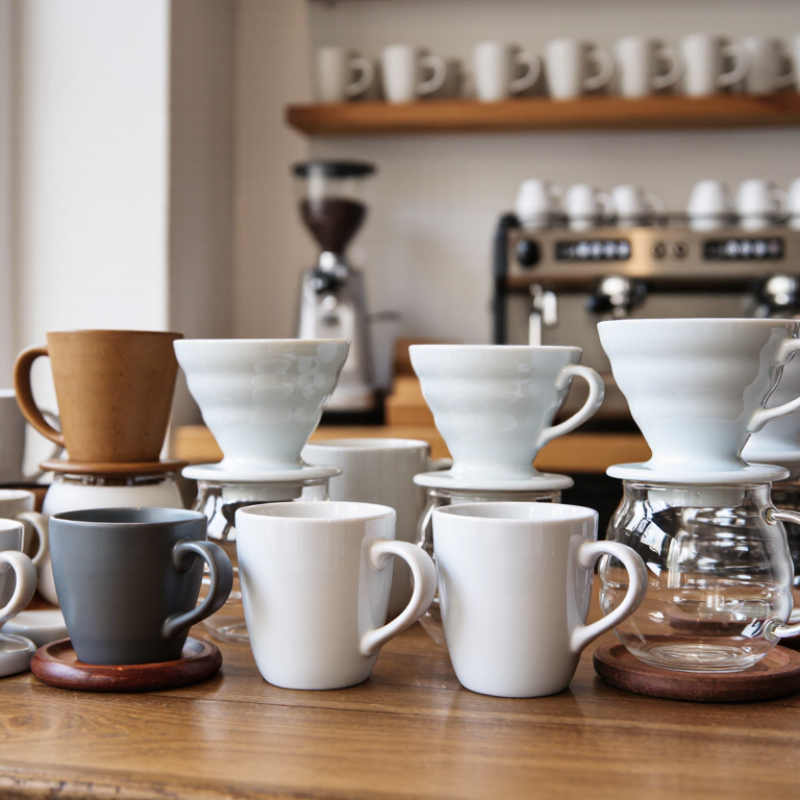
How to Choose the Best Coffee Mug for Your Business?
The National Coffee Association’s Spring 2024 report found that 67% of American adults drank coffee the previous day. This figure gives businesses a practical starting point for estimating mug demand. In a workplace with 120 employees, that percentage suggests roughly 80 daily coffee drinkers. The number is useful, but not perfect. Your staff schedule, customer traffic, and beverage habits may change the real demand.
The United States Department of Agriculture’s 2024 Coffee: World Markets and Trade report also shows coffee remains a major global consumer product, with production estimated above 170 million 60-kilogram bags. That scale supports steady demand for reliable drinkware. However, mug selection should reflect actual use, not only market size.
A café may need stackable ceramic mugs with thick handles.
An office may prefer lightweight, dishwasher-safe cups that fit beneath standard machines.
Measure your busiest hour before ordering. Check shelf height, handle clearance, and washing capacity. A 300-milliliter mug suits many standard servings, while larger sizes may increase waste and cooling time. Heat retention matters, but excessive thickness can make handling uncomfortable.
I have seen businesses choose attractive mugs that occupy too much storage space. It is an easy mistake.
Order a small test batch, track breakage and daily usage, then adjust quantities. Leave a modest buffer, perhaps 10%, rather than buying far beyond measured demand.
Mug capacity should begin with the brewing recipe, not the shelf appearance. The Specialty Coffee Association’s Golden Cup guideline uses approximately 55 grams of coffee per liter of water. That equals 13.75 grams for a 250 ml serving and 16.5 grams for a 300 ml serving. These figures give your team a consistent starting point for purchasing, brewing, and portion control.
A 300 ml mug rarely holds 300 ml comfortably. Coffee needs space below the rim, especially when staff carry full cups across a busy café. In practice, a 330–350 ml vessel may deliver a 280–300 ml beverage without spills.
The National Coffee Association’s Spring 2024 National Coffee Data Trends report found that 67% of American adults drank coffee the previous day. That demand makes repeatable serving sizes commercially important, even for smaller businesses.
Test the mug with your actual brewer and recipe. Measure water, coffee, foam, and usable headspace.
A wide cup may cool faster, while a narrow cup can preserve heat longer; your service speed changes the result.
I once treated stated capacity as usable capacity, and the rim became inconveniently full. That was a poor assumption. Also review customer behavior, because many guests may prefer a smaller, stronger serving. SCA’s ratio is a reliable reference, not an unchangeable rule.
How to Choose the Best Coffee Mug for Your Business?
Material choice affects safety, durability, and customer experience. FDA food-contact compliance depends on the complete mug, not its material alone. Ceramic and glass can suit hot coffee, but glazes, coatings, and decorations may require migration testing. Lead and cadmium controls deserve careful attention. Steel is durable and resistant to breakage, yet corrosion or unsafe interior coatings can create concerns. Plastic is lightweight, but its formulation must match the intended food-contact conditions.
Ask for documentation. Suppliers should identify applicable FDA food-contact requirements and provide compliance statements or test reports. Check whether the mug is intended for hot, acidic, or repeated-use conditions. A product suitable for cold water may not suit boiling coffee. I once underestimated this difference. It can affect purchasing decisions.
Tips: Review the exact model, coating, lid, and printed decoration. Confirm temperature limits. Do not rely on “FDA approved” as a vague marketing phrase. FDA generally evaluates permitted substances and uses, not every finished mug as one universal category. Inspect samples for cracks, sharp edges, odors, and peeling surfaces. Then test cleaning cycles in your own operation. A simple visual check is not enough. Records also matter: retain supplier documents, batch details, and inspection results. Ceramic may feel premium, steel may survive busy counters, and plastic may reduce breakage, but the safest choice matches both verified compliance and real workplace use.
Material choice should begin with EU Regulation 1935/2004. The mug must not release substances that endanger health or change coffee’s taste. It should also remain safe during its intended use. Consider hot temperatures, acidic drinks, repeated washing, and contact time.
Ceramic, stainless steel, glass, plastic, and silicone each need different checks. Looks are not evidence. Ask suppliers for a Declaration of Compliance and supporting migration test reports. These documents should match the exact mug, coating, and intended beverage use.
Traceability records are also important when several factories or materials are involved.
ISO safety standards can support a stronger purchasing process but “ISO tested” is not enough by itself. Request applicable ISO test methods, laboratory accreditation, and clear acceptance limits. Check tests for heavy-metal release, thermal shock, odour, staining, and dishwasher durability.
A glossy finish may hide weak coating adhesion. That risk is easy to miss during a showroom inspection.
Review quality controls, sampling plans, and batch records before placing a large order. If a supplier provides vague certificates, pause and ask precise questions.
Tips: Test samples with real coffee, milk, and acidic drinks. Inspect rims, handles, and inner coatings after repeated washing. Do not guess. Keep certificates, batch numbers, and test dates together. Recheck compliance when the material, factory, or decoration changes. A small pilot order can reveal problems that documents cannot.
How to Choose the Best Coffee Mug for Your Business?
Calculate the full cost, not only the printed unit price. Start with this formula: purchase cost plus branding, washing, breakage, storage, and replacement costs. A promotional-products industry report recorded global sales above 25 billion dollars in 2023, showing how strongly businesses invest in branded merchandise. Yet branding can hide operational expenses. A ceramic mug with complex artwork may require higher setup fees and more careful packing.
Reuse changes the calculation. The National Coffee Association’s 2024 report found that 67% of American adults drank coffee during the previous day. Frequent use creates real value, but only if the mug survives daily handling. Life-cycle assessment research published in the Journal of Cleaner Production suggests reusable cups may outperform disposable options after roughly 20 to 30 uses. The result depends on material, washing temperature, detergent, and transport distance. Check the details.
Durability needs measurable evidence. Request drop-test results, dishwasher-cycle data, glaze resistance, and replacement lead times. If 500 mugs cost 4 dollars each, the purchase total is 2,000 dollars. Add 200 dollars for branding, then assume 8% annual breakage. Replacement costs reach 160 dollars yearly before shipping. A cheaper mug may cost more after repeated failures. That assumption may be wrong. Track actual breakage for three months, then revise the estimate. A simple spreadsheet should record units issued, returned, damaged, washed, and replaced. This creates a defensible total-cost comparison based on workplace evidence, not attractive samples.
Estimated 12-month cost per employee, including purchase, branding, cleaning, reuse, durability, and replacement.
Model assumptions: 250 uses per year; reusable mugs are washed after every use; cleaning is estimated at $0.04 per wash for ceramic and stainless steel and $0.03 per wash for polypropylene. Branding and replacement costs are calculated from the stated unit prices and replacement rates. Actual costs should be updated with your procurement and cleaning invoices.
No. Compliance depends on the complete mug, including coatings, decorations, lids, and interior surfaces. Material alone is not enough.
Request compliance statements, test reports, temperature limits, and batch details. Check documentation for the exact model, not a similar sample.
Not necessarily. Hot coffee, acidic drinks, and repeated use create different conditions. Confirm the approved temperature range.
Check for cracks, sharp edges, unusual odors, peeling surfaces, and damaged decorations. Look closely. A quick visual check can miss problems.
Ceramic can feel premium, steel can resist breakage, and plastic can reduce damage from drops. The best choice depends on verified compliance and actual use.
Add purchase, branding, washing, storage, breakage, and replacement costs. A low unit price may hide expensive failures.
Track damaged units for three months. Record issued, returned, washed, broken, and replaced mugs. Then revise the estimate.
Research suggests reusable cups may outperform disposable options after about 20 to 30 uses. Results depend on washing, transport, and material.
Ask for drop-test results, dishwasher-cycle data, surface resistance, and replacement lead times. Attractive samples prove very little.
Keep supplier documents, batch information, inspection results, and replacement data. Records support better decisions. My initial estimate might be wrong.
Choosing the best Coffee Mug for your business starts with understanding actual customer demand. With 67% of people reported to drink coffee daily in the 2024 industry data, businesses should estimate serving volume, peak periods, and preferred drink sizes before selecting products. Capacity can then be matched to brewing needs, using the 55-gram-per-liter coffee-to-water ratio as a practical reference for consistent flavor and portion planning.
Material selection also affects safety, appearance, cost, and durability. Ceramic offers a familiar, premium feel; glass highlights the beverage; steel provides strength and insulation; and plastic can reduce weight and breakage when suitable food-contact grades are used. Every option should be checked against applicable food-contact requirements, including FDA standards, EU Regulation 1935/2004, and relevant ISO safety guidance. Finally, calculate total cost by considering branding, reusability, expected lifespan, cleaning, breakage, and replacement rates—not just the initial purchase price.

Dongyi