Choosing the right Tea Mugs for wholesale buyers involves more than comparing prices and colors. Retailers need dependable materials, practical shapes, stable supply, and designs that customers will use every day. A mug may look attractive on a product page, yet feel awkward in the hand or lose heat too quickly.
Tea writer Jane Pettigrew once described tea as “a drink for all seasons, all times of day.” Her observation also explains why mug selection requires careful thought. A winter gift set, a hotel breakfast counter, and a busy office may need completely different Tea Mugs. Capacity, handle comfort, glaze quality, packaging, and cleaning performance all influence purchasing decisions.
This guide examines ten strong options for wholesale buyers worldwide. Each choice is considered through a practical purchasing lens, including durability, visual appeal, shipping suitability, and customer expectations. Ceramic remains popular, but stoneware, porcelain, glass, and insulated materials also deserve attention. Some mugs offer excellent branding space. Others provide better heat retention or a more refined drinking experience.
No ranking is perfect. Buyer needs vary.
A low-cost mug can become expensive after breakage, returns, or weak repeat sales. Small details matter, such as a smooth rim, balanced weight, and packaging that protects every piece. We also recognize that supplier information can change. Buyers should confirm samples, certifications, lead times, and minimum order quantities before placing large orders. This balanced review aims to support better decisions, not promise one universal winner.
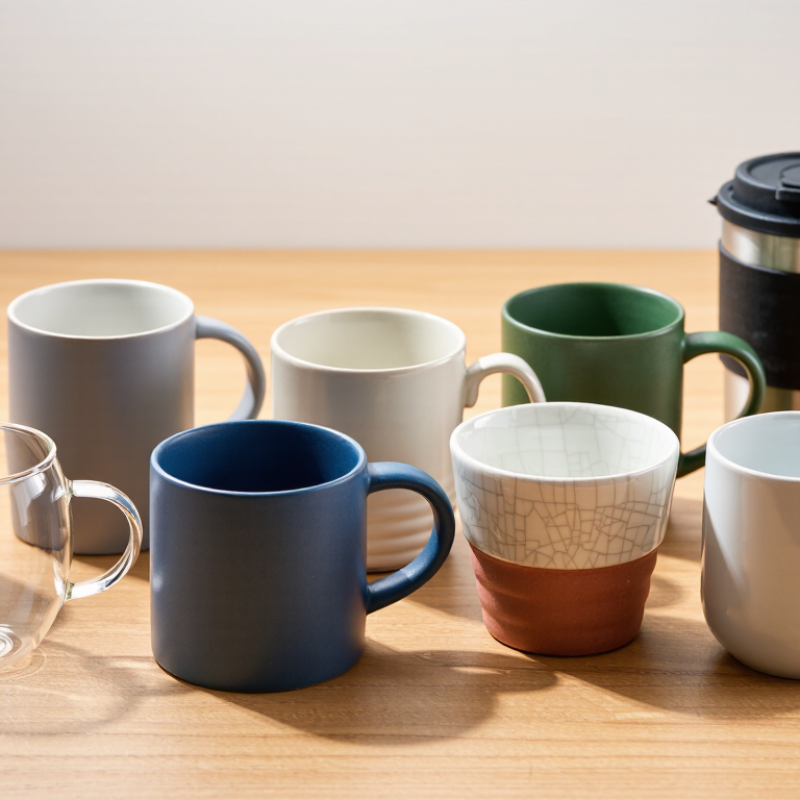
Global wholesale buyers need more than attractive tea mugs. They need stable quality, predictable costs, and practical designs for different markets.
Capacity is a key starting point. Many buyers compare 250 ml, 350 ml, and 450 ml sizes for home, office, and hospitality use.
Mug height, handle clearance, and rim thickness also affect daily comfort. Small details matter.
Material selection should match the intended use. Porcelain offers a refined appearance, while stoneware often provides a heavier, warmer feel.
Buyers should request food-contact documentation and clear testing records from suppliers. Thermal shock testing can reveal cracking risks during repeated heating and cooling.
Glaze consistency deserves close inspection. Uneven surfaces can collect stains and create customer complaints.
A well-designed carton should protect handles during long-distance shipping, including mixed pallets and humid routes. Sample approval is essential before placing a large order.
Check weight, color, stacking strength, and print accuracy.
I once underestimated handle space, and the mugs looked fine but felt awkward in larger hands.
That mistake was avoidable.
Wholesale planning should also include minimum order quantities, production time, replacement rates, and realistic quality tolerances. Not every market wants the same style. Collect buyer feedback, test the product, and revise the specification before final production.
Material affects weight, durability, heat retention, and buyer perception. Porcelain offers a clean, refined surface for cafés and hotel rooms. Stoneware feels heavier and keeps tea warm longer, but it needs stronger carton protection. Borosilicate glass displays color beautifully and suits modern retail shelves. Stainless steel resists breakage, although it may alter the drinking experience for some tea users. During sample checks, inspect rims, handles, glazing, and odor after washing. Small flaws become expensive across thousands of units.
Design should match the intended market, not only current fashion. A wide opening helps loose-leaf drinkers smell the tea and remove infusers easily. A narrow body may retain heat better, but it can be awkward to clean. Handle clearance matters for larger hands and winter gloves. Capacities from 250 to 350 milliliters suit everyday servings, while 450 milliliters support offices and hospitality settings. Bigger is not always better. Oversized mugs can increase shipping costs and reduce shelf efficiency.
Functional features should solve real problems. Built-in strainers, splash-resistant lids, and double-wall insulation can improve daily use. However, removable parts create more cleaning points and possible replacement needs. Ask suppliers for food-contact documentation, dishwasher guidance, packaging tests, and production samples. Check whether printed patterns remain sharp after repeated washing. A practical drop test on a packed carton can reveal weak protection. I would also compare filled weight, because a comfortable mug may feel surprisingly heavy. That detail is easy to overlook.
Evaluating the Ten Best Tea Mugs for Wholesale Buyers requires more than attractive photos. I compare ten mug types through practical checks: capacity, rim comfort, handle strength, heat retention, stacking, and carton efficiency. A 300–400 ml size suits many tea routines, but regional preferences vary. Ceramic feels familiar and stable, while double-wall glass offers visual appeal and cooler outer surfaces. Stainless steel resists breakage, though some tea drinkers dislike its touch. Small details matter. A sharp rim or loose handle can create returns.
For global wholesale orders, I request production samples and repeat key tests. Fill each mug with hot water, lift it repeatedly, and inspect the handle after cooling. Check glaze consistency, odor, pinholes, and measurement accuracy. Dishwasher and microwave guidance should be clear, not assumed. Packaging deserves equal attention. Dividers, edge protection, and moisture-resistant cartons reduce transit damage. Still, no mug wins every market. A lightweight model may ship efficiently but feel less premium. That trade-off needs honest pricing and product descriptions.
Tips: Ask suppliers for food-contact documentation, test samples from different batches, and confirm dimensions in writing. Compare landed cost, not unit price alone. Review color tolerance before approving large quantities. Keep a small reserve for replacements. I once overlooked carton height; the mugs passed quality checks but used too much warehouse space. That mistake changed my evaluation sheet. Good buying decisions come from measured evidence, not polished listings.
| No. | Mug Type | Main Material | Capacity | Approx. Size | Approx. Empty Weight | Heat Retention | Useful Features | Dishwasher Suitability | Wholesale Strength |
|---|---|---|---|---|---|---|---|---|---|
| 1 | Classic Ceramic Tea Mug | Glazed ceramic stoneware | 300 ml / 10.1 fl oz | Approx. 9.5 cm high × 8.2 cm diameter | Approx. 330 g | Good for normal table use | Stable base, comfortable handle, suitable for hot and cold drinks | Usually yes; verify decoration limits | Affordable, widely accepted, easy to merchandise |
| 2 | Large Breakfast Tea Mug | Glazed ceramic stoneware | 400 ml / 13.5 fl oz | Approx. 11 cm high × 9 cm diameter | Approx. 430 g | Good; thick walls reduce rapid cooling | Large handle, generous serving size, suitable for breakfast tea | Usually yes | Popular size for cafés, offices, and homeware retailers |
| 3 | Porcelain Tea Mug with Infuser | Glazed porcelain with stainless-steel infuser | 350 ml / 11.8 fl oz | Approx. 10.5 cm high × 8.5 cm diameter | Approx. 390 g including infuser | Moderate to good | Removable fine-mesh infuser, drip-resistant lid, direct loose-leaf brewing | Often yes; hand washing may extend lid and infuser life | Higher perceived value and strong gift potential |
| 4 | Double-Wall Glass Tea Mug | Borosilicate glass | 300 ml / 10.1 fl oz | Approx. 11 cm high × 8.5 cm diameter | Approx. 250 g | Better than single-wall glass | Displays tea color, cooler outer surface, lightweight presentation | Often yes; avoid sudden temperature changes | Attractive for specialty tea and modern kitchen ranges |
| 5 | Stainless-Steel Travel Tea Mug | Food-grade stainless steel | 350 ml / 11.8 fl oz | Approx. 19 cm high × 7 cm diameter | Approx. 280 g | Very good when vacuum insulated | Leak-resistant lid, portable format, suitable for commuting | Body usually yes; lid and seals may require hand washing | Durable, low breakage risk, suitable for outdoor channels |
| 6 | Ceramic Mug with Silicone Lid | Glazed ceramic with food-grade silicone | 350 ml / 11.8 fl oz | Approx. 13 cm high × 8.5 cm diameter | Approx. 450 g | Good for short-distance carrying | Reusable lid, splash reduction, comfortable grip, café-style appearance | Usually yes; check lid and silicone instructions | Combines home use with takeaway convenience |
| 7 | Stackable Café Tea Mug | Commercial-grade vitrified ceramic | 280 ml / 9.5 fl oz | Approx. 9 cm high × 8 cm diameter | Approx. 360 g | Good for repeated service | Reinforced rim, stackable profile, space-efficient storage | Yes, when specified for commercial dishwashers | Efficient shipping, storage, and high-volume foodservice use |
| 8 | Tea Mug with Built-In Strainer | Glazed stoneware with ceramic strainer | 320 ml / 10.8 fl oz | Approx. 12 cm high × 8.5 cm diameter | Approx. 470 g | Good for table brewing | Integrated strainer, matching lid, no separate brewing vessel required | Usually yes; inspect small strainer openings for residue | Practical premium option with more components per sale |
| 9 | Bamboo-Fiber Blend Tea Cup | Plant-fiber composite with food-contact coating | 350 ml / 11.8 fl oz | Approx. 13 cm high × 8 cm diameter | Approx. 170 g | Low to moderate; generally single-wall | Lightweight, reusable, easy to carry, lower breakage risk | Follow the product specification; many are top-rack only | Lightweight for transport and suitable for value-oriented ranges |
| 10 | Double-Wall Stainless-Steel Tea Tumbler | Vacuum-insulated stainless steel | 400 ml / 13.5 fl oz | Approx. 21 cm high × 7.5 cm diameter | Approx. 320 g | Very good; vacuum insulation slows heat loss | Secure drinking lid, condensation resistance, travel-friendly shape | Body often yes; hand wash lid, gasket, and printed surfaces | Premium durability, strong repeat-use appeal, low breakage risk |
Wholesale tea mug buying starts with supplier quality, not attractive catalog photos. Request food-contact test reports, clay or glass specifications, and a production sample. Check the rim for smoothness, the handle for movement, and the base for wobbling. I also recommend filling each sample with boiling water and checking heat retention, staining, and odor after washing. Small defects become expensive when they appear across 5,000 units.
Customization needs clear limits. Confirm logo position, printing method, color references, packaging style, and carton dimensions in writing. Ask whether the supplier can reproduce the same artwork after several production runs. Some suppliers offer many options but lack consistent color control. That can weaken a retail collection. A pre-production sample is essential, although it may delay the schedule by several days. That delay is usually cheaper than reworking a full shipment.
Pricing should include decoration, packaging, tooling, inspection, freight terms, and replacement policies. Compare complete landed costs, not only the mug price. Minimum order quantities also deserve careful negotiation. A lower MOQ may carry higher unit costs, while a large MOQ can trap cash in slow-moving designs. Ask for tiered pricing at 500, 1,000, and 5,000 pieces. I have seen buyers focus too heavily on the lowest quote. They later discover thinner walls, weaker cartons, or unclear delivery commitments. Suppliers should explain lead times, defect allowances, and payment stages plainly. Reliable communication matters. But it should be tested before the order.
Selecting tea mugs requires more than attractive decoration. Market habits, serving sizes, and daily routines differ sharply. The FAO Intergovernmental Group on Tea projected global tea consumption could reach 3.9 million tonnes by 2025. That scale creates broad demand, but not one universal mug. Retailers may need 250–300 ml mugs for compact kitchens, while cafés often prefer 350 ml models for longer steeping and milk-based tea.
Use should guide construction. Ceramic mugs suit traditional tea service and printed designs. Double-wall glass shows color clearly and supports modern gifting. Stainless steel works for commuting, but metallic taste and heat retention need testing.
I have seen attractive samples fail because handles felt narrow or rims became too hot. Small details matter. Check microwave safety, dishwasher durability, glaze consistency, and stacking space before placing volume orders.
For ceramic products, request food-contact test documentation, including relevant lead and cadmium migration results under ISO 6486 methods.
Customer preferences also shape the shortlist. Wider handles can help older users, while lighter mugs reduce shipping weight and shelf fatigue. Neutral colors usually travel across markets, but regional accents can improve local appeal. Euromonitor International’s 2024 consumer research continues to identify convenience and sustainability as important purchase drivers.
Therefore, reusable packaging, durable finishes, and replaceable carton inserts deserve attention. Not every “eco” claim is convincing. Buyers should verify recycled content, testing records, and factory consistency instead of trusting surface-level packaging language.
A 300–400 ml capacity fits many daily tea habits. Regional preferences still vary. Confirm local demand before ordering large quantities.
Ceramic feels familiar and stable. Double-wall glass looks attractive and keeps the outside cooler. Stainless steel resists breakage, but some drinkers dislike its texture.
Inspect the rim for sharpness, the handle for movement, and the base for wobbling. Fill each mug with hot water. Lift it repeatedly, then inspect it after cooling.
Check glaze consistency, odors, pinholes, staining, and measurement accuracy. A loose handle may pass a quick inspection. It can still fail during everyday use.
Request food-contact documentation and material specifications. Confirm dishwasher and microwave guidance clearly. Never rely on assumptions printed nowhere.
Use dividers, edge protection, and moisture-resistant cartons. Confirm carton height and dimensions in writing. I once missed carton height, and warehouse space disappeared quickly.
Confirm artwork position, printing method, color references, and packaging style. Request a pre-production sample. A short delay is cheaper than correcting thousands of units.
Compare landed cost, including decoration, packaging, tooling, inspection, freight, and replacements. Ask for prices at 500, 1,000, and 5,000 pieces. A lower unit price may hide weaker packaging.
Request samples from different batches and repeat the same tests. Ask about lead times, defect allowances, and payment stages. Polished listings prove very little.
Choosing the right Tea Mugs for wholesale distribution requires more than comparing appearance and price. Buyers must understand the needs of different global markets, including preferred materials, sizes, shapes, colors, and functional features. Ceramic, porcelain, glass, stainless steel, and other options each offer different benefits in terms of durability, heat retention, weight, safety, and shipping practicality. Capacity, handle comfort, lid availability, stackability, and suitability for home, office, hospitality, or promotional use should also be considered when evaluating the best products.
A successful wholesale decision also depends on supplier reliability. Buyers should carefully review product quality, manufacturing consistency, customization options, packaging, pricing structures, production capacity, and minimum order requirements. By comparing ten strong Tea Mugs options across design, function, cost, and market suitability, wholesalers can create a balanced product range for different customer preferences. The ideal selection combines attractive design, dependable performance, efficient logistics, and flexible customization while supporting long-term business value.

Dongyi