10 Best Cups Set Options for Global Buyers?

Time:2026-10-21 Author:Aria
0%

Global buyers are paying closer attention to how cups perform in real kitchens, cafés, hotels, and retail aisles. A Cups Set must do more than look attractive. It should balance capacity, material safety, durability, packaging, and landed cost. Grand View Research identifies continued growth in the global tableware market, supported by hospitality expansion, household replacement demand, and changing dining habits. These trends create more choices, but also more confusion.

Material matters. Porcelain offers a refined appearance and strong heat retention. Borosilicate glass feels light and handles temperature changes well. Stainless steel supports outdoor and commercial use, although it may not suit every serving style. Buyers should inspect rim quality, handle strength, glaze consistency, stacking design, and dishwasher guidance. Small defects become expensive when thousands of sets reach customers.

Recent sustainability research from McKinsey & Company shows that many consumers increasingly consider packaging and environmental impact during purchasing decisions. However, sustainability claims need evidence. Recycled content, reusable packaging, and longer product life should be verified through supplier documentation. Certifications can help, but they do not replace sampling and factory audits. That part is often underestimated.

This guide reviews 10 Best Cups Set Options for Global Buyers through a practical sourcing lens. It considers everyday usability, visual appeal, shipping efficiency, quality control, and market positioning. No single set wins everywhere. A minimalist ceramic set may suit European retailers, while insulated steel cups may perform better in outdoor channels. Buyer preferences vary. Even reliable reports cannot predict every local response. The strongest decision combines data, hands-on testing, and honest review of product weaknesses.
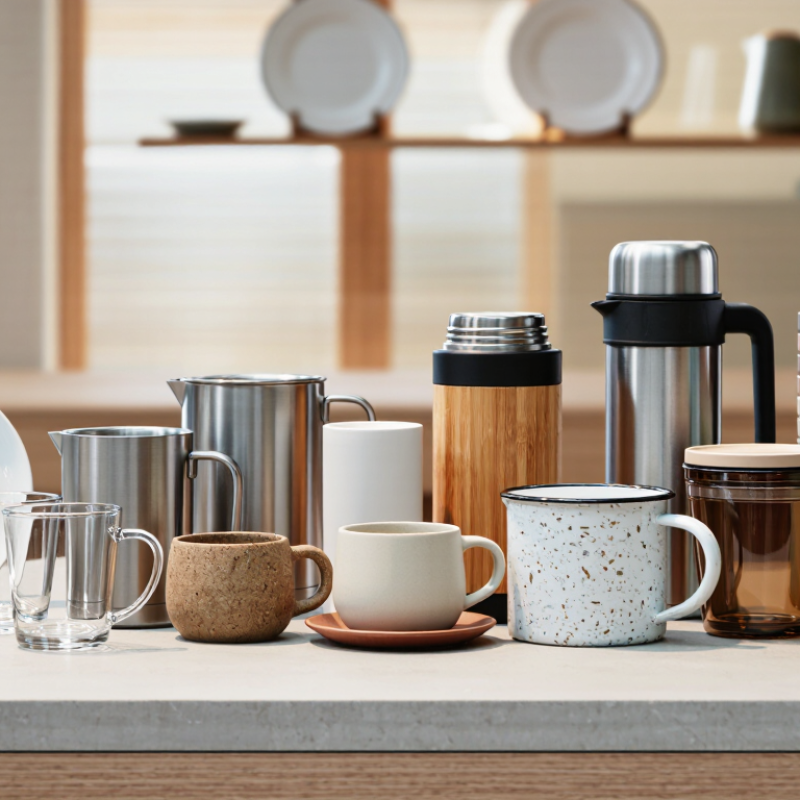
10 Best Cups Set Options for Global Buyers?

How to Define the Best Cups Set for Global Buyers

10 Best Cups Set Options for Global Buyers

Defining the best cups set begins with the buyer’s real use case, not a fashionable shape. A café may need sturdy cups for repeated service, while a hotel may prefer elegant sets for breakfast tables. Capacity matters too. A practical range often includes small, medium, and larger cups for espresso, tea, or cold drinks. Material affects weight, breakage risk, cleaning, and shipping cost. Ceramic feels premium, glass shows the drink clearly, and durable plastic can suit outdoor events. Each choice has trade-offs.

Global buyers should examine rim comfort, handle strength, stackability, and packaging protection. A set that looks excellent online may arrive with damaged corners if the carton design is weak. Ask for product samples, packing photos, test reports, and clear size measurements. Confirm that materials meet the food-contact requirements of the destination market. Requirements differ between countries. Do not rely only on a supplier’s general statement. Review the documents carefully and keep communication records.

Tips: Compare landed cost, not unit price. Check carton dimensions before ordering. A trial shipment is wise. I have found that buyers sometimes overlook storage space and replacement availability. That mistake can become expensive later. The “best” cup set is rarely the cheapest or most decorative. It is the option that performs consistently, travels safely, and fits the buyer’s daily operation.

Top Cups Set Options by Material, Design, and Intended Use

Choosing among the 10 best cups set options depends on material, design, and intended use. Porcelain tea cups suit formal dining and pair well with matching saucers. Stoneware coffee mugs offer thicker walls and a handmade appearance. Tempered glass tumblers show drink color clearly and resist ordinary temperature changes. Borosilicate glass cups feel lighter and suit hot or cold beverages. Stainless steel sets work well for travel, offices, and outdoor use. They need careful inspection for sharp rims.

Enamel cups bring a practical camping style, while stackable ceramic cups save shelf space in cafés and small kitchens. Double-wall glass cups help keep fingers cooler during coffee service. Espresso cup sets usually need compact shapes and stable bases. For families, durable, easy-clean cups with wide handles may be more useful than delicate designs. Fit matters.

I have handled many sample sets, and attractive packaging does not guarantee reliable performance. Check rim smoothness, base balance, coating consistency, and lid fit before ordering globally. A 250-milliliter cup may suit tea, but it can feel too small for some coffee markets. Confirm food-contact documentation, care instructions, carton strength, and replacement availability. Designs with too many parts often create avoidable packing damage. Simple sets can perform better. Pay attention to local serving habits, washing equipment, and storage conditions before selecting the final material.

Comparing Capacity, Durability, Safety, and Ease of Care

Choosing the right cup set requires more than attractive shapes or low prices. Global buyers should compare capacity, durability, safety, and ease of care together. A 250–350 ml cup suits coffee, tea, and everyday water. Larger 450 ml cups work better for offices, travel, or family dining.

Material affects long-term performance. Thick glass feels refined but may break after a sharp temperature change. Stainless steel resists drops, although some users dislike its metallic taste. Food-grade ceramic usually handles daily use well, but small chips can appear around the rim. In practical product checks, inspect the handle joint, inner coating, base stability, and lid seal. Safety matters too. Choose cups with clear material information and smooth surfaces without sharp edges. Avoid assuming every “eco-friendly” claim means safer or stronger.

Tips: Test one sample before placing a large order. Fill it with hot water, check the exterior temperature, and wash it repeatedly. Look for fading, trapped moisture, loose parts, or lingering odors. Dishwasher compatibility saves time, but hand washing may protect printed designs. I once underestimated how quickly narrow lids collected residue. That was a useful mistake. Buyers should also confirm carton protection, replacement parts, and cleaning instructions. A cup set may look excellent in photos, yet feel awkward when stacked or carried. Test the real routine, not only the specification sheet.

10 Best Cups Set Options for Global Buyers? - Comparing Capacity, Durability, Safety, and Ease of Care

Option Cup Material / Type Typical Set Size Typical Capacity Durability Food-Contact Safety Ease of Care Best Use
1 Borosilicate Glass Cups 4–6 pieces 250–400 ml Good resistance to thermal shock; still vulnerable to impact and sharp edge damage. Non-porous and generally free from flavor absorption; confirm food-contact compliance for the intended market. Usually dishwasher-safe; avoid sudden temperature changes and abrasive scouring. Tea, coffee, hot water, juice, and modern table settings.
2 Tempered Glass Tumblers 6–12 pieces 250–350 ml Stronger than ordinary glass for everyday use; may shatter into smaller pieces if severely damaged. Non-porous and suitable for beverages when manufactured to applicable food-contact standards. Generally dishwasher-safe and simple to inspect for cleanliness. Restaurants, cafeterias, offices, and high-volume household use.
3 Porcelain Cups 4–6 pieces 180–300 ml Hard, stain-resistant, and suitable for repeated use; rims and handles can chip under impact. Vitrified porcelain is low-porosity; decorative coatings should be tested for lead and cadmium release. Most pieces are dishwasher-safe; verify microwave use if metallic decoration is present. Coffee, tea, hospitality, dining rooms, and gift-oriented sets.
4 Stoneware Cups 4–6 pieces 250–400 ml Thick and stable with good everyday durability; heavier and more prone to chipping than metal or plastic. Glazed surfaces are suitable for drinks when glaze chemistry and migration limits meet local regulations. Usually dishwasher-safe; textured glazes may require extra rinsing to remove residue. Home dining, cafés, rustic interiors, and larger beverage servings.
5 Stainless Steel Cups 4–6 pieces 250–500 ml Highly resistant to breakage, dents, and corrosion when an appropriate stainless-steel grade is used. Prefer food-contact stainless steel; avoid prolonged storage of highly acidic or salty drinks unless tested for the application. Easy to wash and commonly dishwasher-safe; may show fingerprints or water spots. Outdoor dining, schools, catering, travel, and commercial kitchens.
6 Tritan Copolyester Cups 4–8 pieces 300–500 ml Lightweight, clear, and impact-resistant compared with glass; can scratch over time. Often selected for BPA-free food-contact applications; certification and formulation should be verified for the destination market. Many designs are dishwasher-safe; use non-abrasive cleaning tools to preserve clarity. Poolside service, outdoor events, families, and break-resistant drinkware.
7 Polypropylene Cups 6–12 pieces 200–400 ml Lightweight and impact-resistant; may warp or discolor with excessive heat and prolonged UV exposure. Food-contact suitability depends on resin grade, additives, and compliance testing; BPA status should be confirmed. Usually easy to wash and often dishwasher-safe, subject to the manufacturer’s temperature limit. Children’s dining, travel, schools, events, and budget-focused programs.
8 Melamine Cups 4–8 pieces 250–400 ml Hard, lightweight, and resistant to breakage; can crack or develop surface wear with age. Intended mainly for cold or warm drinks; do not use in microwave ovens, and avoid very hot liquids unless specifically approved. Often dishwasher-safe on the top rack; avoid abrasive cleaners and high-heat drying when not approved. Outdoor dining, institutional catering, patios, and breakage-sensitive locations.
9 Food-Grade Silicone Cups 2–4 pieces 200–350 ml Flexible, lightweight, and resistant to breakage; may retain odors if poorly cleaned. Use platinum- or peroxide-cured food-grade silicone with documented temperature and migration testing. Usually dishwasher-safe and collapsible for storage; clean folds and seams thoroughly. Camping, travel, children, compact kitchens, and portable drinkware.
10 Double-Wall Insulated Cups 2–4 pieces 300–500 ml Good impact resistance when made from stainless steel or robust polymers; seals and lids are the main wear points. Food-contact safety depends on the inner material, coatings, lid resin, and gasket composition; request compliance documents. Hand-washing is often preferred for vacuum-insulated products; removable lids and gaskets need separate cleaning. Commuting, travel, hot or cold beverages, offices, and premium everyday use.

Note: Capacities and care recommendations are typical ranges for the listed cup categories. Buyers should confirm exact dimensions, temperature limits, dishwasher instructions, and food-contact certifications for each production specification and destination market.

Matching Cups Sets to Household, Hospitality, and Commercial Needs

Choosing among the 10 best cup set options starts with the user, not the product photo. A family kitchen may need stackable ceramic cups for coffee, tea, and everyday breakfast. Porcelain offers a lighter, refined feel for dining rooms. Stoneware feels heavier and warmer in the hand. Tempered glass helps users see color and volume clearly. Borosilicate glass suits hot and cold drinks, but buyers should check heat-shock guidance. These details affect comfort, storage, and replacement costs.

Hospitality buyers need stronger routines. A hotel breakfast area may prefer durable ceramic sets with consistent sizing. Cafés often value stackability, quick cleaning, and stable handles. Stainless steel cups can suit outdoor catering and busy service areas. Melamine may reduce breakage in selected commercial settings, subject to local food-contact rules. For offices, simple glass or ceramic sets can support shared use without looking overly formal. Ten options can sound impressive, but too much variety may complicate inventory.

Tips: Test one sample set before placing a large order. Measure cupboard depth and dishwasher space. Check rim smoothness, handle strength, and base stability. Ask for food-contact documentation and clear care instructions. For global shipping, review packing methods and replacement availability. A low price can become expensive after repeated breakage. I have found that visual appeal often wins early decisions, while cleaning time decides long-term satisfaction. That is not always obvious.

Evaluating Prices, Certifications, Packaging, and International Shipping

Choosing among the ten best cup sets requires more than comparing unit prices. A low quote may exclude molds, printed inserts, inspection, or import duties. Ask for a landed-cost sheet. It should show the cup count, material, volume, minimum order quantity, and payment terms. Costs can drift. Glass, ceramic, stainless steel, and food-grade plastics need different evaluations. A sample may look perfect, yet production variation can change weight, color, or fit. That risk deserves a written tolerance.

Certification & Packaging Certification claims should be checked, not copied from a sales page. Request current food-contact test reports, material declarations, and factory quality records. Confirm that the laboratory is recognized in the destination market. Requirements can differ between regions, especially for coatings, silicone seals, and recycled content. Packaging also affects the real price. I prefer molded pulp or strong dividers, moisture-resistant cartons, and clear inner labels. A simple drop test can reveal chipped rims before shipment. Still, packaging that survives a warehouse may add too much volume.

International Shipping International shipping needs a practical calculation. Compare carton dimensions, pallet patterns, gross weight, and delivery terms before approving the order. Clarify who handles export documents, insurance, customs clearance, and destination charges. Small errors matter. One overlooked detail can erase a promising margin. I would also order a pre-shipment inspection, even when the supplier has good records. It is not flawless protection. However, checking set counts, leaks, scratches, barcode labels, and carton strength creates useful evidence when problems appear. The best option is not always the cheapest or most certified; it is the one whose risks are visible and manageable.

FAQS

How should I choose a cup set for its intended use?

Match the material and shape to the daily setting. Porcelain suits formal tea service with matching saucers. Stainless steel works well for travel, offices, and outdoor use. For families, choose durable cups with wide handles.

What cup capacity suits everyday drinks?

A 250–350 milliliter cup suits tea, coffee, and water. A 450 milliliter cup fits offices, travel, or family dining. A 250-milliliter cup may feel small for some coffee drinkers. Serving habits matter.

Which materials offer strong daily performance?

Tempered glass handles ordinary temperature changes and shows drink color clearly. Borosilicate glass feels lighter for hot or cold beverages. Ceramic handles routine use, but its rim can chip. Stainless steel resists drops, although some users notice a metallic taste.

What safety details should I inspect before ordering?

Check smooth rims, stable bases, and secure handle joints. Look for clear material information and food-contact test reports. Avoid sharp edges, loose parts, and uncertain coatings. Do not trust every safety claim.

How can I test a cup sample properly?

Fill the cup with hot water and check the outside temperature. Wash it repeatedly before approving a large order. Inspect fading, odors, trapped moisture, loose parts, and lid sealing. Test the real routine.

Are dishwasher-safe cup sets always the best choice?

Dishwasher compatibility saves time in busy kitchens. Hand washing may protect printed surfaces and delicate coatings. Narrow lids can collect residue quickly. I underestimated that once.

What packaging features help prevent shipping damage?

Use strong dividers, moisture-resistant cartons, and clear inner labels. A simple drop test can reveal chipped rims. Too many separate parts may increase packing damage. Simple designs can perform better.

How should I compare the real cost of international orders?

Request a landed-cost sheet covering volume, set count, duties, and delivery terms. Also check molds, inspection fees, inserts, insurance, and customs charges. Compare carton size, pallet layout, and gross weight. Small omissions can erase the margin.

Should I arrange inspection before shipment?

Yes, inspect set counts, leaks, scratches, labels, and carton strength. Written production tolerances help control changes in weight, color, and fit. Inspection is not perfect protection. It creates useful evidence when problems appear.

Conclusion

Choosing the best Cups Set for global buyers requires more than comparing appearance and price. A practical evaluation should consider material, design, intended use, capacity, durability, safety, and ease of care. Buyers may prefer lightweight options for daily household use, elegant designs for hospitality settings, or highly durable sets for cafés, offices, and other commercial environments. The right choice should balance comfort, stability, cleaning convenience, and suitability for hot or cold beverages.

International purchasing also depends on reliable product details and responsible supply conditions. Buyers should review food-contact safety information, relevant certifications, packaging quality, and protection against damage during long-distance shipping. Clear capacity measurements, consistent quality, secure packing, and reasonable pricing can reduce purchasing risks and improve customer satisfaction. By matching the Cups Set with its intended users, service environment, and distribution requirements, global buyers can select products that offer practical value, dependable performance, and a positive experience across different markets.

Aria

Aria

Aria is a dedicated marketing professional with a deep passion for innovative strategies and a keen understanding of our company's product offerings. With a wealth of experience in the industry, Aria excels at crafting engaging content that highlights the unique features and benefits of our......